Our Services
Inspection & Testing
VISUAL TESTING

Visual Testing (VT) is the most basic and widely used non-destructive testing (NDT) method for examining the surface condition of materials or welds using direct observation or optical tools.
LIQUID PENETRANT TESTING

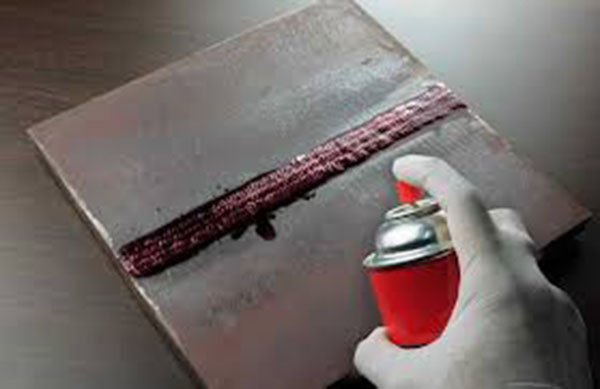
Method used to detect surface-breaking defects on non-porous materials such as metals, plastics, and certain ceramics. The method uses a liquid penetrant that seeps into surface flaws through capillary action, making defects visible after the developing process.
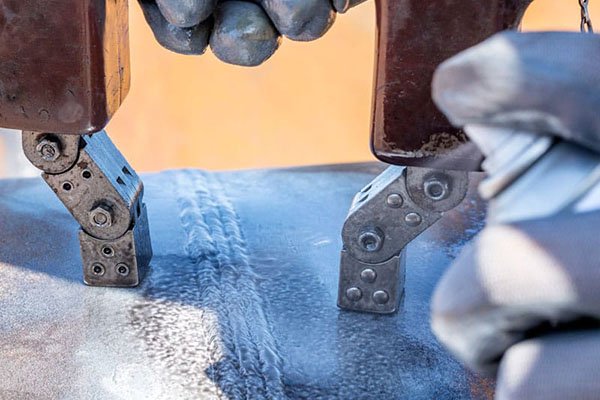
MAGNETIC PARTICLE TEST

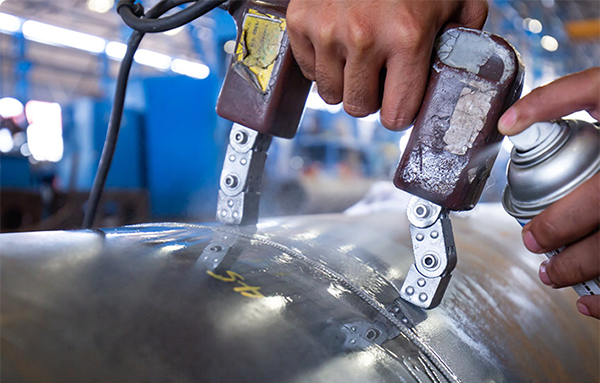
The technique works by magnetizing the material and applying magnetic particles (dry or wet) to the surface. If a defect exists, magnetic flux will leak at the discontinuity, causing the particles to accumulate and form an indication that can be seen visually.

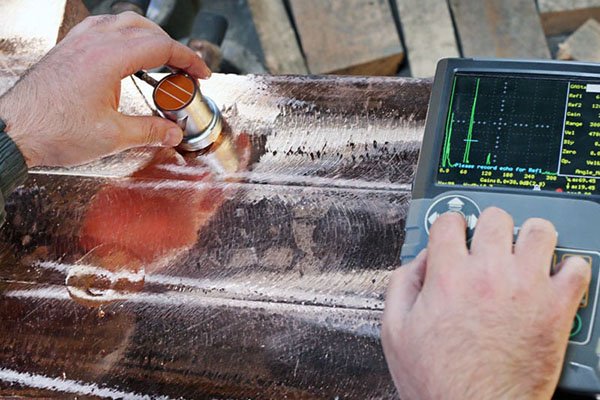
ULTRASONIC TEST

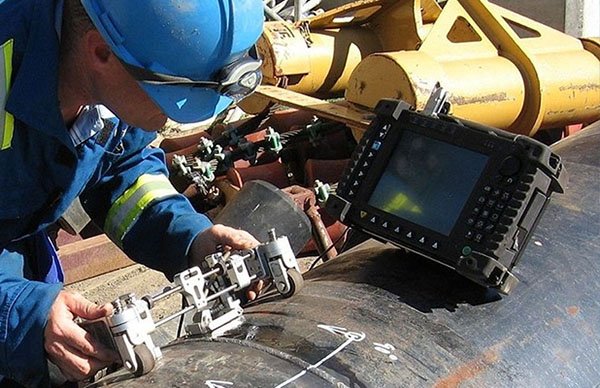
Method used high-frequency sound waves to detect internal defects, measure material thickness, and evaluate weld quality. Ultrasonic waves are transmitted into the material using a transducer probe, and the reflected signals (echoes) are analyzed to identify discontinuities.
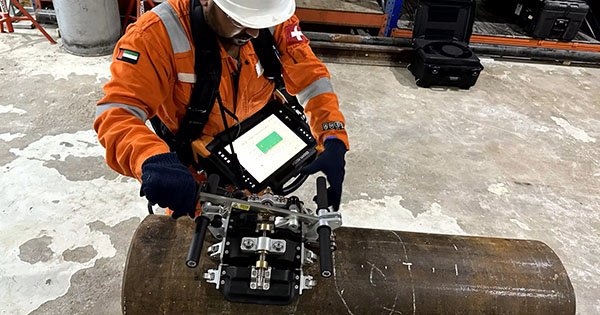
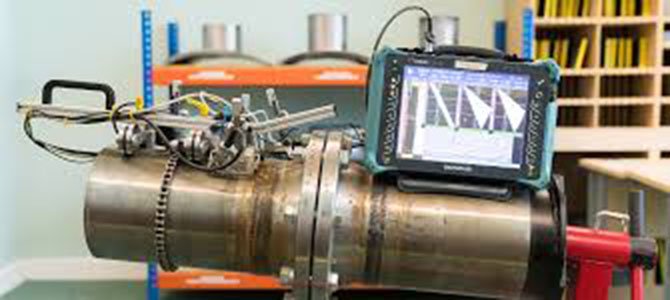
PHASED ARRAY ULTRASONIC

Method that uses multiple ultrasonic transducer elements arranged in an array. These elements are individually controlled to steer, focus, and scan ultrasonic beams electronically without physically moving the probe. This technology provides high-resolution imaging of internal structures, allowing more accurate detection and sizing of defect.

RADIOGRAPHY TEST

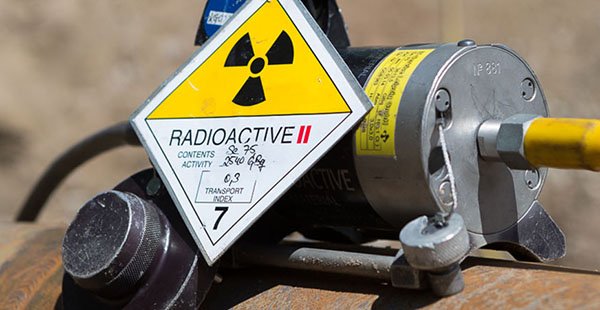
Method used to examine the internal quality of a material or weld without causing any damage. This method uses X-rays or Gamma rays to penetrate the material and produce an image (radiograph) that reveals internal discontinuities.


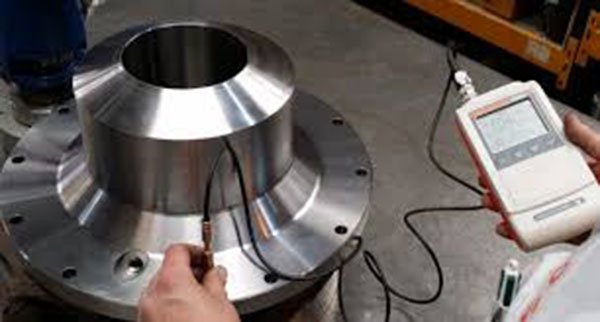
FERRITE TEST

Method used to measure the ferrite content in austenitic stainless steel and duplex stainless steel welds or base materials. Ferrite content is critical for ensuring strength, corrosion resistance, and microstructural stability, especially in welded joints.